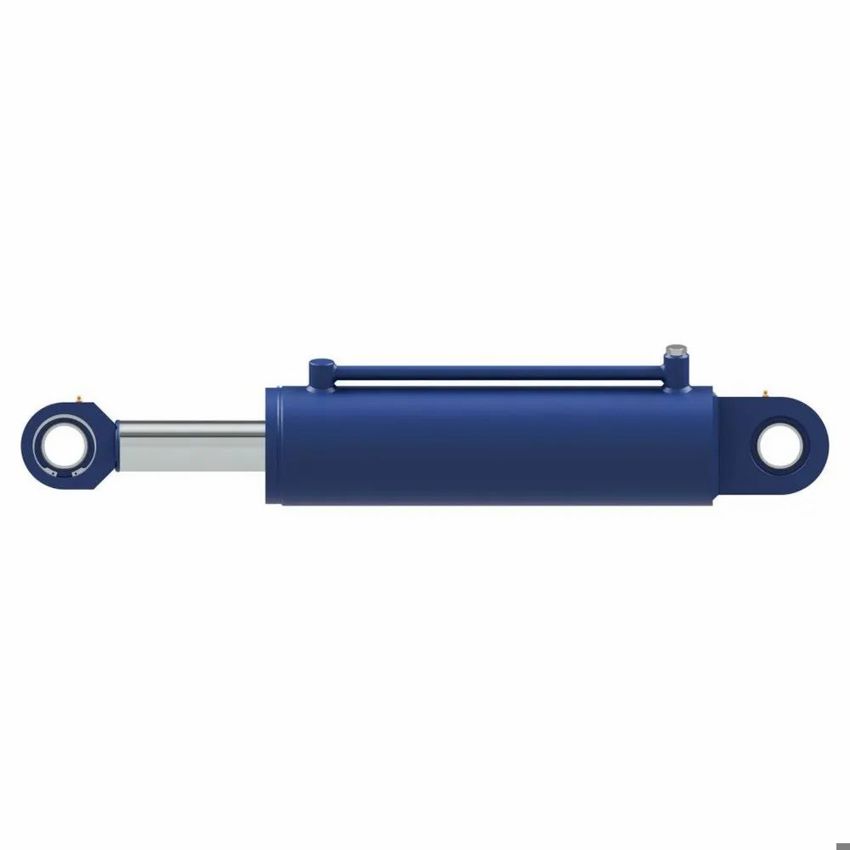
Choosing the right double-acting hydraulic cylinder manufacturer is a critical choice for any company that relies on hydraulic machinery for its everyday operations. Double-acting hydraulic cylinders are used in a variety of applications to regulate the movement of equipment in both directions, whether it’s for construction machinery, agricultural machinery, industrial presses, or material handling systems. They have a direct impact on equipment efficiency, operating stability and maintenance. However, not every hydraulic cylinder is suitable for every application. Factors such as operating pressure, load capacity, stroke length, material quality, and working environment must be considered before choosing a manufacturer. A cylinder designed for one machine may not deliver the same performance in another application.
Let’s dive into this blog to explore the key factors to consider when selecting double-acting hydraulic cylinder manufacturers, from manufacturing quality and technical specifications to customisation options and long-term performance.
“Reliable hydraulic performance begins with precision engineering and the right manufacturing expertise.”
When evaluating double-acting hydraulic cylinder manufacturers, considering the manufacturing experience is an important factor. Hydraulic cylinders must withstand repeated movement, pressure variations and mechanical loads without compromising performance. A manufacturer with strong technical knowledge can help identify the appropriate cylinder design for the intended application. Also, it is useful to understand whether the manufacturer produces standard cylinders, custom-built models or both.
Industrial machinery often has specific mounting arrangements, space limitations and movement requirements. Manufacturers with suitable engineering capabilities can develop solutions that fit these requirements instead of relying on general-purpose designs. Ask about the manufacturer’s experience with similar applications, machining facilities, assembly processes, and engineering support. These details provide a clearer picture of whether the supplier can meet your project’s requirements consistently.
Materials in a hydraulic cylinder affect the cylinder’s strength, wear resistance and operating performance in extreme conditions. When comparing manufacturers, find out how they choose to use the cylinder barrel, piston rod, piston, end covers, and sealing components for the application.
Important material and design considerations:
Cylinder barrel: The tube should have suitable strength, dimensional accuracy, and an internal surface finish that supports smooth piston movement.
Piston rod: The material and surface treatment must match the load, wear, and moisture and/or contamination requirements.
Operating temperature and pressure: Seals should be compatible with the hydraulic fluid, temperature and pressure conditions to aid in controlling leakage.
Piston and gland: They should be designed to ensure correct operation and alignment during the working cycle of the cylinder.
Structural design: The barrel, rod and mounting system should be capable of resisting the forces encountered during operation.
A double-acting hydraulic cylinder is a hydraulic cylinder that operates by extending and retracting the piston rod with pressurised fluid. The dimensions need to be selected carefully for safe and efficient machine operation: the size of the machine is determined by its hydraulic force, which is related to the pressure and the effective piston area. The diameter of the bore, rod diameter, stroke length and working pressure must be adequate to the needs of the equipment. The extension and retraction forces do not necessarily have to be equal, as the piston rod decreases the area on the rod side of the piston. The force should thus be tested in two directions.
When asking for a quote, have the following information ready:
Required force: Specify the load the cylinder must push or pull.
Working pressure: Provide the normal operating pressure and identify possible pressure peaks.
Bore and rod diameter: Ensure that they have the proper size and thickness to withstand the forces and stresses involved in the structure.
Stroke length: Define the total linear travel required for the application.
Mounting dimensions: This includes pin centres, mounting type and space available.
Operating speed: Give the speed of extension and retraction and the frequency of the machine.
Also Read This: 8 Factors to Check Before Choosing a Welded Hydraulic Cylinder
Standard hydraulic cylinders can be suitable for machinery with common dimensions and operating requirements. Specialised industrial equipment may require a special cylinder to fit its operating conditions and design. Talk to the manufacturer about what you need before placing your order. Provide drawings of the machine, cylinder dimensions, operating conditions and known problems. Information like this can aid the engineering staff in determining dimensions, mounting configuration, seal selection, and more.
Customisation can include special mounting ends, non-standard bore sizes, longer strokes, corrosion protection or specific hydraulic port configuration. But all changes must be thoroughly reviewed for compatibility with the machine and hydraulic system. When starting the production, a manufacturer who is able to offer clear technical communication will also be able to discover any design constraints. This will minimise the risk of installation problems, incorrect specification and unnecessary changes after delivery.
Quality testing is used to ensure that a hydraulic cylinder is designed and operating as intended. Check with a supplier about the checks carried out during manufacture and inspection before dispatch. Enquire whether each cylinder is tested separately, or if the manufacturer has a sampling procedure. Additionally, explain the standard, acceptance criteria and documentation provided with the product.
Key quality checks to discuss:
Dimensional inspection: Verification of critical dimensions and mounting points according to defined dimensions.
Pressure testing: Determines if there are any leaks in the cylinder and if it can handle the pressure during the test.
Seal inspection: Identifies incorrect installation, damage or sealing problems.
Movement testing: Tests to determine if the piston rod extends and retracts as it should.
Surface inspection: Discovers any visible fault, damage or imperfection which can impact performance.
Test documentation: Supplies documentation of inspection and testing as necessary.
The connection with a hydraulic cylinder supplier shouldn’t end following the product delivery. The long-term value of your purchase can be affected by the technical assistance, spare parts availability, maintenance guidance, and warranty support. A manufacturer who has a good after-sales service can be of assistance in solving installation questions and determining what might be the cause of performance issues.
This is especially helpful for enterprises that are running machinery, since any downtime can cause disruptions to production runs. Don’t just look at the first cost when comparing quotations. If a lower-cost cylinder needs more repairs or doesn’t meet the needs of the machine, it may not be the best value. Meanwhile, the price point doesn’t necessarily mean that it’s better quality.
Analyse the whole package by examining:
Delivery offers: Ensure the expected production and delivery dates are confirmed.
Warranty conditions: Understand what is covered and which exclusions apply.
Spare parts support: Enquire about replacement seals and other serviceable parts.
Technical assistance: Ask if there is any technical help to install and troubleshoot.
Product documentation: Request relevant specifications, maintenance instructions, and test reports.
Total operating cost: Take into account predicted maintenance, service life, downtime and replacement needs.
These comparisons will provide a purchasing team with a more complete picture of the manufacturer’s reliability. It also assists companies in selecting a supplier that will be able to maintain their equipment throughout its useful life.
“Industrial efficiency starts with choosing components built to perform under pressure.”
When it comes to picking the right double-acting hydraulic cylinder manufacturers, it isn’t enough to compare products and sizes; you must also take into account the company’s reputation. The appropriateness of a cylinder for industrial machinery will be affected by manufacturing expertise, material quality, pressure ratings, stroke length, adaptation and quality testing. When designing for long-term operation, after-sales service and supply of spare parts are also important. When ordering, ensure that the technical specifications and details about the machine’s working conditions are given to the manufacturer correctly. Discuss the proposed design, verify the testing protocols, and contrast the full worth that each supplier provides. By following these steps, businesses can choose the right double-acting hydraulic cylinder for their specific application, ensure smooth and stable machine operation, and minimise unnecessary maintenance problems.
FAQ
Consider manufacturing experience, material quality, pressure ratings, bore and rod dimensions, stroke length, customisation options, quality testing, delivery schedules, and after-sales support. The manufacturer should be able to recommend a cylinder based on your equipment’s actual operating requirements.
The correct size depends on the required force, operating pressure, stroke length, piston rod diameter, mounting arrangement, and available installation space. The force required during extension and retraction should be evaluated separately. A qualified hydraulic engineer or manufacturer can help verify the specifications.
Depending on the design and application, testing may include dimensional inspection, pressure testing, leakage checks, and functional movement tests. Ask the manufacturer which testing standard applies and whether inspection records or test certificates are supplied with the cylinder.
Presstech Systems India Pvt Ltd, as trusted Hydraulic Cylinder Manufacturers, we specialize in designing and manufacturing high-performance hydraulic cylinders for a wide range of industrial applications. We offer Single Acting Hydraulic Cylinder, Telescopic Hydraulic Cylinder, Hydraulic Scissor Lift Cylinder, Hydraulic Lift Cylinder, Construction Hydraulic Cylinder, Hydraulic Passenger Lift Cylinder, Garbage Compactor Cylinder, Water Dam Gate Hydraulic Cylinder, Adjustable Stroke Hydraulic Cylinder, Agriculture Hydraulic Cylinder, Double Acting Hydraulic Cylinder, Welded Hydraulic Cylinder, Cushioned Hydraulic Cylinder, Telescoping Hydraulic Cylinder, Tower Crane Hydraulic Cylinder, and Hydraulic Press Cylinders.
Copyright © 2026 Presstech Systems & Services All Rights Reserved. Design & Developed By